
How 20 Minutes of Reading a Day Can Improve Your Child's Reading Skills
Updated: Oct 8

At Tutive, we work with students across the country who struggle with reading fluency, reading comprehension, vocabulary, spelling, and foundational literacy skills. One of the most common questions parents ask is:
"What can I do at home to help my child become a stronger reader?"
My answer is usually simple:
Have them read more and write more.
I know you've probably heard this advice before, but the research continues to support it. There is no substitute for meaningful practice. Just as athletes improve through repetition and musicians improve through practice, readers become better readers by reading and writers become better writers by writing.
The Power of 20 Minutes
The good news is that helping your child become a stronger reader does not require hours of instruction each day.
According to Scholastic, students who read for just 20 minutes per day are exposed to approximately 1.8 million words each year. That amount of exposure can have a tremendous impact on vocabulary development, reading comprehension, and overall academic success.
Think about it: twenty minutes is less time than most children spend watching a television show, scrolling on a device, or playing a video game.
Yet those twenty minutes can produce lasting benefits.
Why Daily Reading Matters
Students who read consistently benefit in several important ways.
Stronger Vocabulary
Children naturally acquire vocabulary when they encounter words repeatedly in books.
Reading exposes students to words they may never hear in everyday conversation. A larger vocabulary helps students become stronger readers, writers, speakers, and thinkers.
Improved Reading Comprehension
The more students read, the more opportunities they have to practice understanding what they read. Reading helps students learn how to identify main ideas, summarize information, make inferences, and draw conclusions. These skills are necessary for reading, but also for success across all academic subjects.
Better Focus and Attention
Reading requires students to concentrate on a single task for an extended period. In a world filled with constant notifications and short-form content, sustained reading helps strengthen attention and focus.
Increased Empathy and Perspective
Books introduce students to different cultures, experiences, and viewpoints. Reading helps children understand people whose lives may be different from their own while expanding their knowledge of the world.
Improved Academic Performance
Research suggests that students who consistently read for 20 minutes a day often perform significantly better on standardized reading assessments than students who read less frequently.
Harder Books Matter Too
One mistake I sometimes see is limiting students to books that feel easy all the time.
While students should absolutely read books they enjoy independently, they should also be exposed to more challenging texts.
More advanced books introduce students to:
Richer vocabulary
More complex sentence structures
New concepts and ideas
Stronger background knowledge
This does not mean children should struggle through books that are far beyond their ability level. However, listening to audiobooks, participating in family read-alouds, or reading more challenging books together can help students grow as readers.
Exposure to complex language matters.
Don't Forget About Writing
Reading and writing are closely connected.
If we want children to become stronger writers, they need opportunities to write regularly.
Writing does not have to be complicated. Encourage your child to:
Keep a journal
Write about their day
Summarize a book
Respond to a reading passage
Write stories
Create comics
Practice vocabulary words
Write letters or emails to family members
Even five to ten minutes of daily writing can help strengthen literacy skills.
What If My Child Struggles With Reading?
If reading is difficult for your child, don't panic.
Students with dyslexia, reading difficulties, or significant reading gaps often need more than independent reading alone. They frequently benefit from:
Structured literacy instruction
Explicit phonics instruction
Guided oral reading
Vocabulary development
Reading fluency practice
Consistent support and encouragement
The key is to find reading material that is accessible yet still offers opportunities for growth.
As a Reading Specialist and Orton-Gillingham Practitioner, I often remind families that progress is possible, but consistency matters.
A Simple Summer Challenge
This summer, I encourage families to keep literacy simple.
Daily Literacy Goal
Read for 20 minutes
Write for 5-10 minutes
That's it.
Visit the library. Let your child choose books that interest them. Read together. Talk about books. Ask questions. Encourage writing.
Small habits repeated consistently over time lead to big results.
Twenty minutes may not seem like much, but over the course of a year, it can expose your child to approximately 1.8 million words and provide countless opportunities for growth.
Readers become better readers by reading. Writers become better writers by writing.
Need Additional Reading Support?
Tutive® provides personalized online reading tutoring and intervention for students in grades K–12.
We specialize in Structured Literacy and Orton-Gillingham-based instruction, supporting students who need assistance with phonological and phonemic awareness, phonics and decoding, fluency, vocabulary and morphology, reading comprehension, spelling and encoding, written expression, and dyslexia-related reading difficulties.
Our individualized approach focuses on identifying learning gaps and providing targeted instruction to help students strengthen their literacy skills.
Schedule a free consultation today to discuss your child's reading needs and learn how Tutive® can help.
Individual results vary. Intervention timelines and student outcomes depend on individual learning needs, attendance, instructional frequency, retention, school instruction, and opportunities for practice.

About the Author
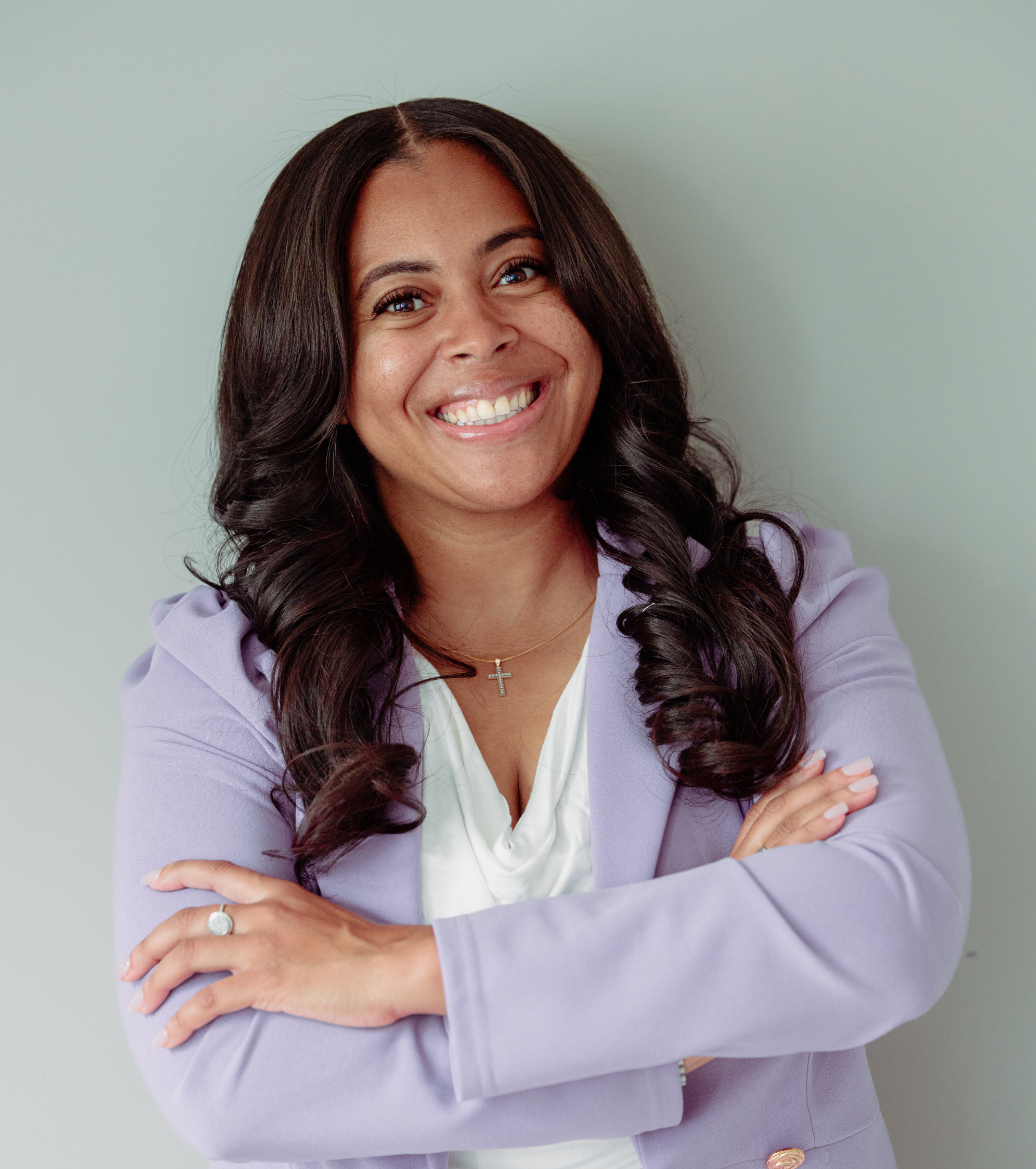
Dr. India "Miss India" Barnes is a K–12 Reading Specialist with a Doctor of Education in Leadership and advanced training in Orton-Gillingham and Structured Literacy. Through Tutive®, she has supported 100+ students and provided 2,500+ hours of structured literacy and Orton-Gillingham-informed reading intervention and tutoring. Through personalized 1:1 online instruction and in-person reading labs, she helps students strengthen reading, spelling, writing, foundational literacy skills, and academic confidence.


Comments