We Didn't Lose Readers Overnight
Updated: Oct 8

If you've spent any time around children lately, you've probably noticed something. They can watch a two-hour YouTube marathon without blinking, but ask them to read for twenty minutes, and suddenly they're "tired."Many people point to teachers when discussing declining literacy rates; however, the problem is much bigger than what happens inside a classroom. We're raising children in a world designed to compete for their attention every second of the day.
Short videos. Doomscrolling. Constant notifications. Instant entertainment. These things train the brain differently. Reading asks the brain to slow down. Scrolling asks the brain to speed up. Reading requires sustained attention. Scrolling rewards constant novelty. Reading asks us to wrestle with difficult ideas. Scrolling lets us skip anything that feels hard. So we shouldn't be surprised when a page of text suddenly feels exhausting.
Reading Stamina Is Built
No one expects a child who has never run before to complete a marathon. Yet every year, we hand students increasingly complex passages and expect them to sustain attention for thirty or more minutes. Reading stamina works the same way as physical stamina. It has to be built. One page becomes two. Five minutes become ten. Simple texts become more complex texts. The short-term goal is to finish the passage, while the long-term goal is to train the brain to stay with the passage.
But Let's Not Blame Technology Alone
Strong literacy still begins with explicit instruction. Children need systematic phonics. They need vocabulary instruction. They need opportunities to read aloud. They need background knowledge. They need comprehension strategies. And most importantly, they need to actually read.
What Parents Can Do
You don't have to eliminate screens completely, but the time spent should definitely be limited each day, and you should intentionally create space for reading.
Read together every day.
Keep books within easy reach.
Build reading time gradually.
Let your child see you reading.
Talk about what you read together.
Visit your local library once a month.
Small habits practiced consistently make a bigger difference than occasional reading marathons.
What Schools and Teachers Can Do
Schools cannot control the digital world students return to each day, but they can create classrooms where deep reading is valued and practiced.
That starts with providing explicit, evidence-based reading instruction and protecting uninterrupted time for students to engage with meaningful texts. Teachers can help students build reading stamina gradually, teach them how to monitor their comprehension, expand their vocabulary and background knowledge, and provide opportunities to wrestle with increasingly complex texts.
Most importantly, schools should celebrate perseverance and not only standardized test scores. Strong readers are not born overnight. They are developed through consistent practice, encouragement, and instruction that equip them with the skills and reading confidence to tackle challenging texts.
What Communities Can Do
Reading shouldn't end when the school bell rings. Communities help shape readers just as much as classrooms do. Libraries can host engaging literacy events. Local businesses can sponsor book drives. Churches can create reading clubs for children. Mentors can read with students after school. Retirees can volunteer as reading partners. Even pediatricians can encourage families to read aloud from birth. Children thrive when they see that reading isn't just a school assignment. It's something valued by the people around them.
The more places children encounter books and oral storytelling about reading, the more likely they are to become lifelong readers.
The Bottom Line
Scrolling is a sprint, but reading is a marathon. If we want stronger readers, we can't simply expect children to have reading stamina. We must help them build it.
Need Additional Reading Support?
Tutive® provides personalized online reading tutoring and intervention for students in grades K–12.
We specialize in Structured Literacy and Orton-Gillingham-based instruction, supporting students who need assistance with phonological and phonemic awareness, phonics and decoding, fluency, vocabulary and morphology, reading comprehension, spelling and encoding, written expression, and dyslexia-related reading difficulties.
Our individualized approach focuses on identifying learning gaps and providing targeted instruction to help students strengthen their literacy skills.
Schedule a free consultation today to discuss your child's reading needs and learn how Tutive® can help.
Individual results vary. Intervention timelines and student outcomes depend on individual learning needs, attendance, instructional frequency, retention, school instruction, and opportunities for practice.

About the Author
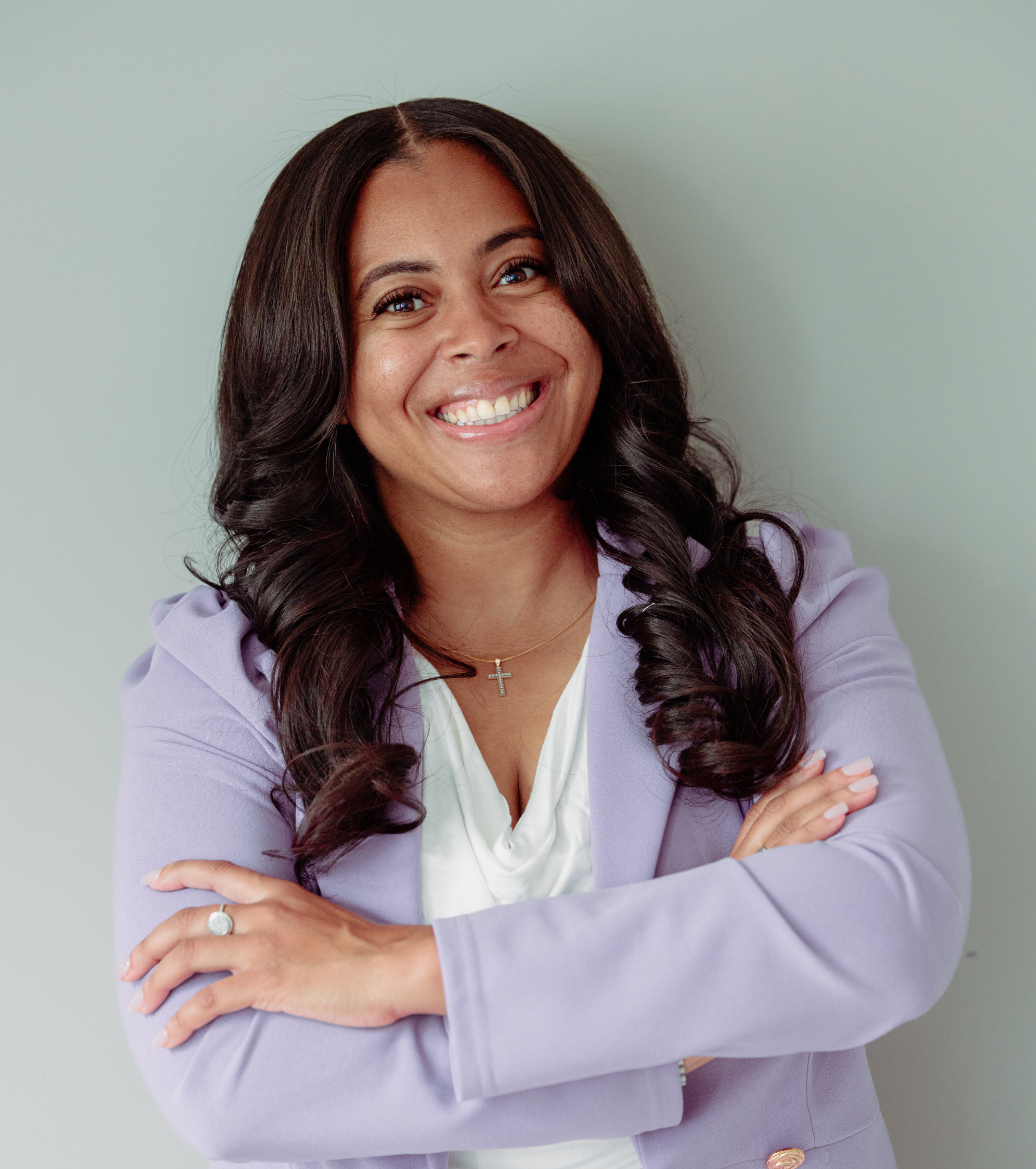
Dr. India "Miss India" Barnes is a K–12 Reading Specialist with a Doctor of Education in Leadership and advanced training in Orton-Gillingham and Structured Literacy. Through Tutive®, she has supported 100+ students and provided 2,500+ hours of structured literacy and Orton-Gillingham-informed reading intervention and tutoring. Through personalized 1:1 online instruction and in-person reading labs, she helps students strengthen reading, spelling, writing, foundational literacy skills, and academic confidence.


Comments